Best time to visit Mauritius is the kind of topic travelers search for when they are no longer dreaming about Mauritius in general and are starting to plan a real holiday. They want practical advice, but they also want to feel what the island is like before they arrive.
This guide is written for visitors who want a smoother, more personal experience: less guessing, less rushing, and more time enjoying beaches, roads, villages, viewpoints, nature areas and local culture. The angle here is planning around seasons, weather, and tour comfort.
Best time to visit Mauritius planning tips
Mauritius is compact on a map, but the island does not reward careless planning. Distances, traffic, weather, boat schedules, hotel locations and attraction opening times all shape the day. A good article, and a good tour plan, helps travelers understand those details before they book.
Why This Topic Matters for Mauritius Travelers
The reason best time to visit Mauritius matters is simple: most visitors have limited days on the island. A badly planned day can waste hours in transfers or leave people arriving at the wrong place at the wrong time. A well planned day feels calm, scenic and generous.
For travelers from Germany and wider Europe, expectations are often clear: reliable pickup, transparent timing, clean vehicles, safe driving, and honest advice. When those details are handled properly, the holiday feels easier from the first morning.
This is also where private local support becomes valuable. A driver-guide who knows the island can adjust the route, explain what is realistic, and help visitors avoid turning a beautiful day into a checklist.
How to Plan the Experience Properly
When planning around best time to visit Mauritius, start with your hotel location. A guest staying in Grand Baie will not have the same ideal route as a guest staying in Le Morne, Flic en Flac, Belle Mare or Blue Bay. The best route is the one that respects geography.
Next, decide what type of day you want. Some travelers want nature and viewpoints. Others prefer beaches, local food, shopping, temples, gardens, history or water activities. Mixing too many styles in one day can make the trip feel rushed.
Finally, leave room for the island to breathe. Mauritius is at its best when you have time to stop for a view, speak to a local vendor, take a photo, or simply enjoy the road between two places.
How the seasons differ
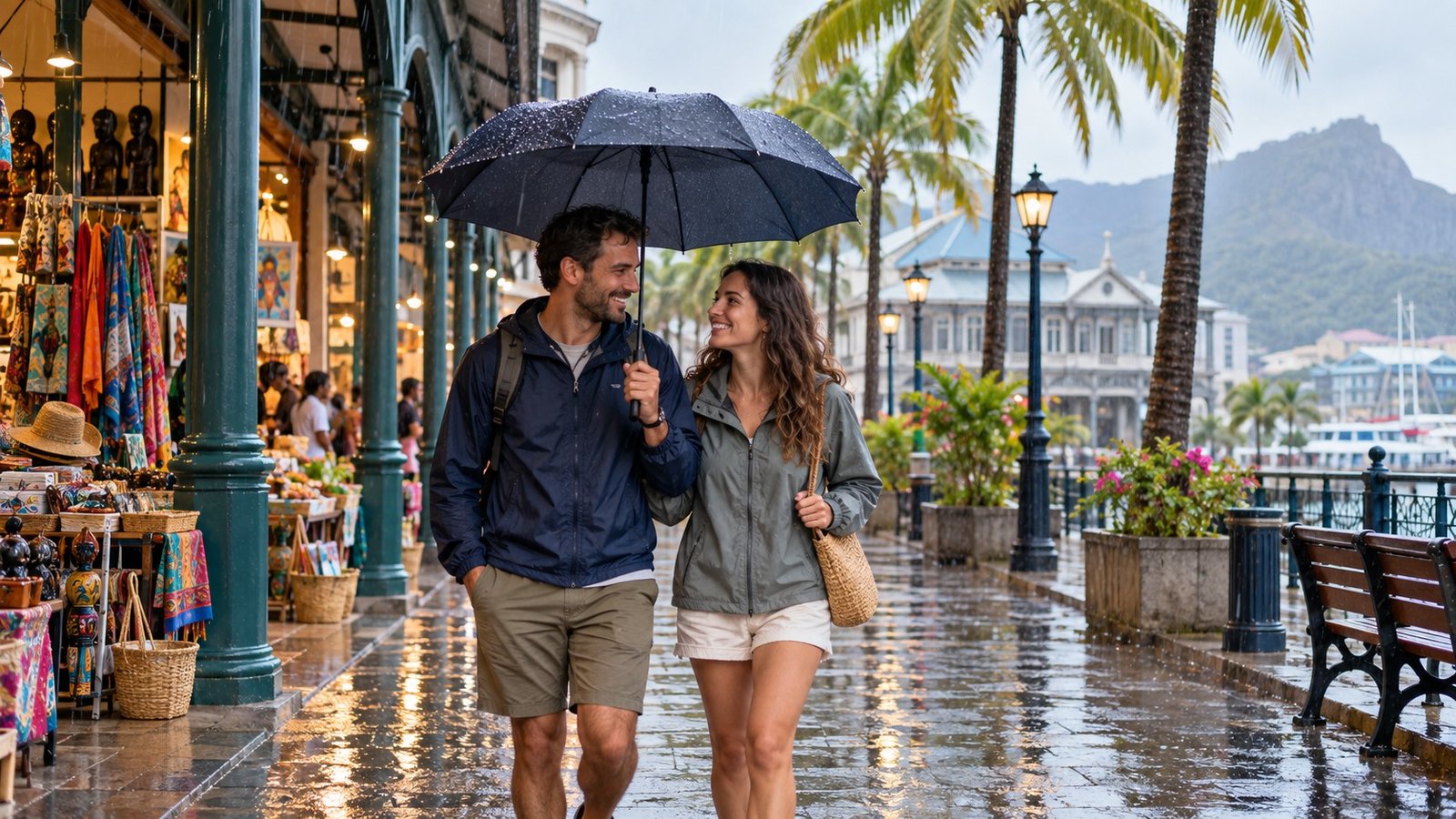
Mauritius has a warm, humid summer from November to April and a relatively cooler, drier winter from June to September; May and October are transition months. Summer generally brings more rainfall, while winter is often more comfortable for sightseeing and hiking, with south-easterly trade winds that can affect exposed east and south coasts. Regional conditions vary, so choose your base and activities with the coast and season in mind. February and March are typically among the wetter months, while October is usually drier, but neither season guarantees a particular day’s weather. Check the latest Mauritius Meteorological Services forecast before booking boat trips or planning outdoor days.
Best Routes and Places to Consider
The south and west are strong choices for mountains, viewpoints, waterfalls and dramatic coastlines. The north is easier for coastal villages, botanical gardens, markets and relaxed sightseeing. The east is ideal for lagoon days and island-style beach experiences.
Related Seewan Tours experiences such as South Island Mauritius Tour, Blue Bay Mauritius Tour, West Coast Mauritius Tour can support this type of article naturally.
A custom private route also works well when travelers have mixed interests. For example, one family may want a waterfall, a beach, and an easy lunch stop, while a couple may prefer scenic viewpoints and sunset timing.

Local Tips Before You Book
Check what is included before confirming. Entry fees, boat transfers, food, optional activities and special equipment are not always part of the same price. Clear wording avoids confusion later.
Ask about pickup time and realistic duration. A private tour does not mean every possible stop can fit into one day. It means the route can be shaped intelligently around comfort, timing and value.
Bring simple day-trip essentials: water, sun protection, comfortable shoes, swimwear if needed, a towel for lagoon activities, and a light layer if the route goes through cooler highland areas.
Responsible Travel Notes
A better Mauritius holiday is also a more respectful one. Visitors should avoid littering, respect religious sites, follow marine rules, and listen when local guides explain where not to step, swim or park.
Using local services helps keep tourism value inside the island economy. Choosing private local transport, small operators and community-friendly stops can make the travel experience more meaningful.
Responsible travel does not remove enjoyment. It improves it. People usually remember the moments where they felt connected to a place, not only the moments where they collected a quick photo.
Final Thoughts
The best approach to best time to visit Mauritius is to combine practical planning with local flexibility. Mauritius is beautiful, but it becomes far easier to enjoy when the route, pickup, timing and expectations are clear.